


Li L7 Max, Li L7 Ultra, and Li L7 Ultra 2026: What's the difference between the three versions and which one to choose?
Li L7 Max, Li L7 Ultra, and Li L7 Ultra 2026: What's the difference between the three versions and which one to choose?
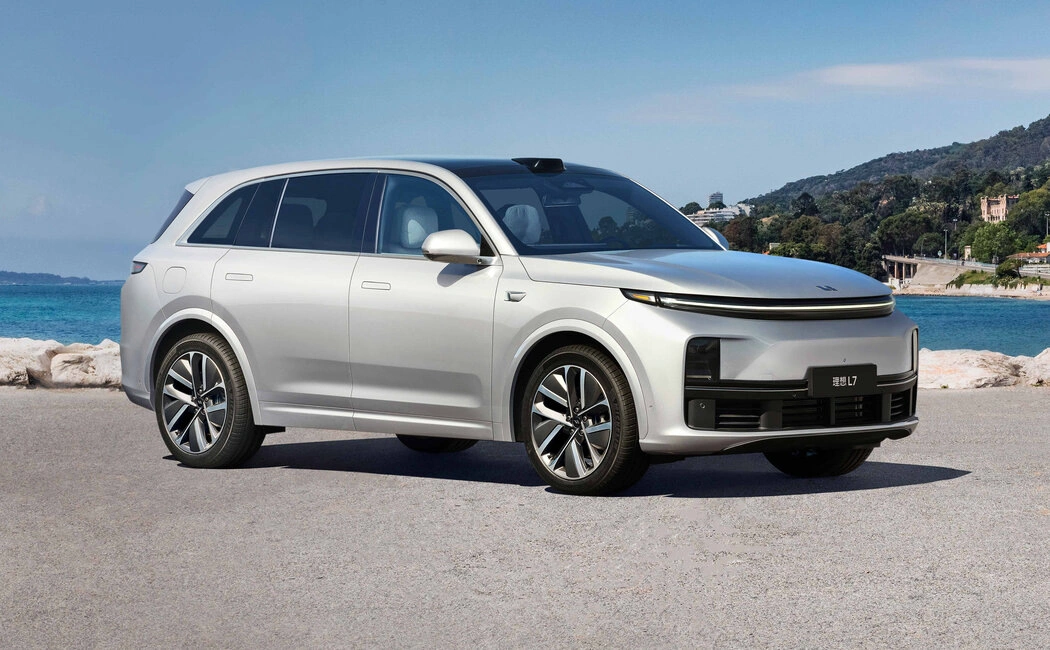
In a parking lot, they can confuse even someone who knows cars quite well. The same full-width light strip across the body, the familiar profile, hidden door handles, an almost unchanged interior, and the same 449 horsepower. It seems as though we are looking at the same Li Auto L7, simply released in different years.
But behind the visual similarity are three stages in the model's development. The early LiXiang L7 Max established the very concept of a large five-seat family crossover with home-like comfort. The LiXiang L7 Ultra 2024 addressed some of the compromises of the original vehicle and received a larger battery, updated electronics, and expanded equipment. Finally, the new LiXiang L7 Ultra 2026, following the second major update, focused not so much on new screens and options as on the chassis, computing platform, and further development of driver assistance systems.
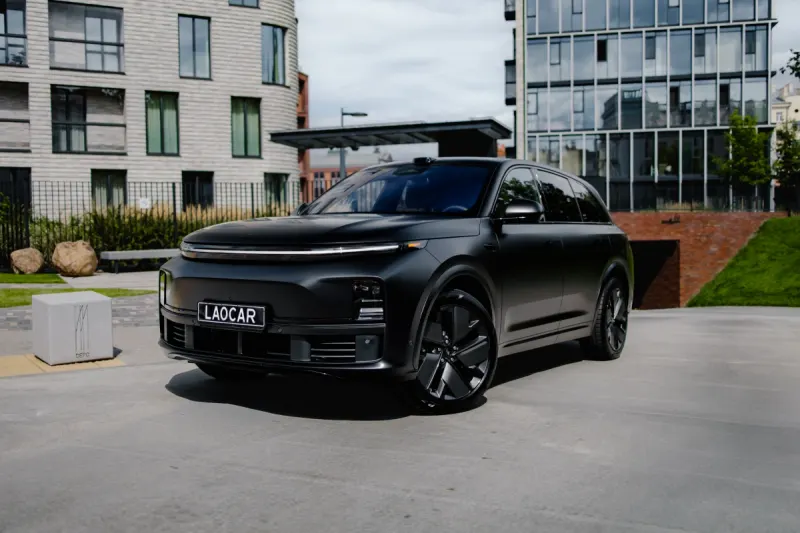
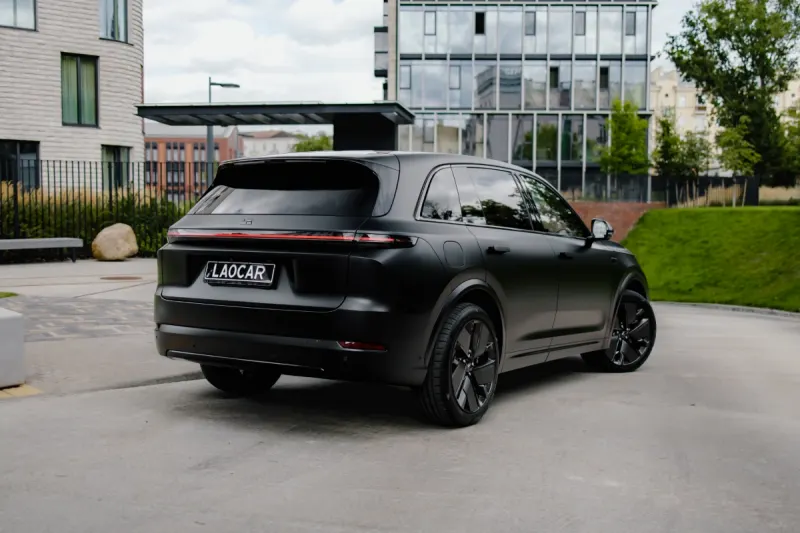
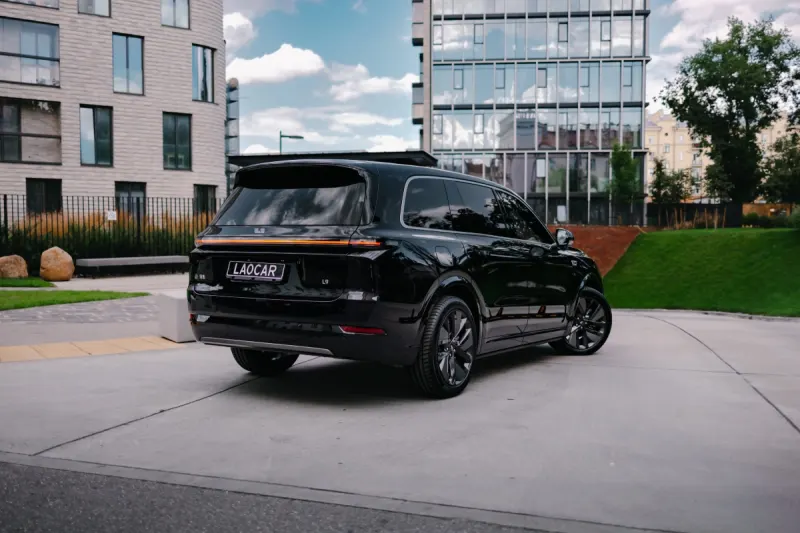
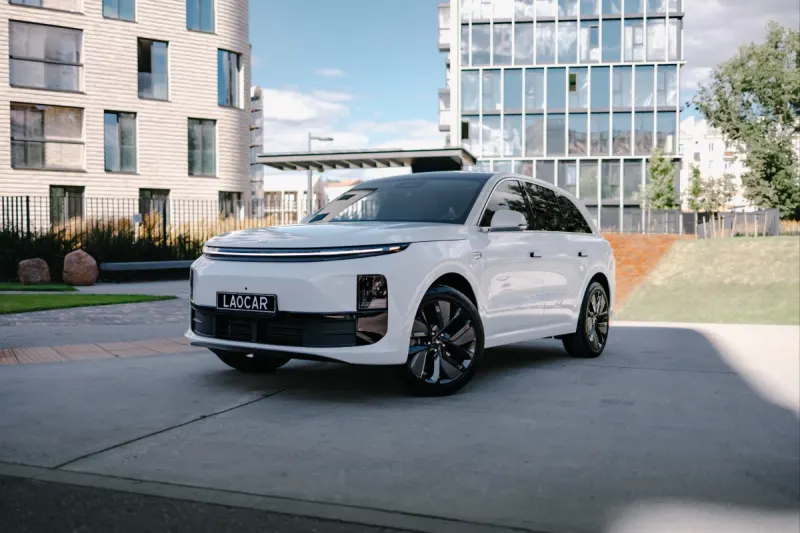
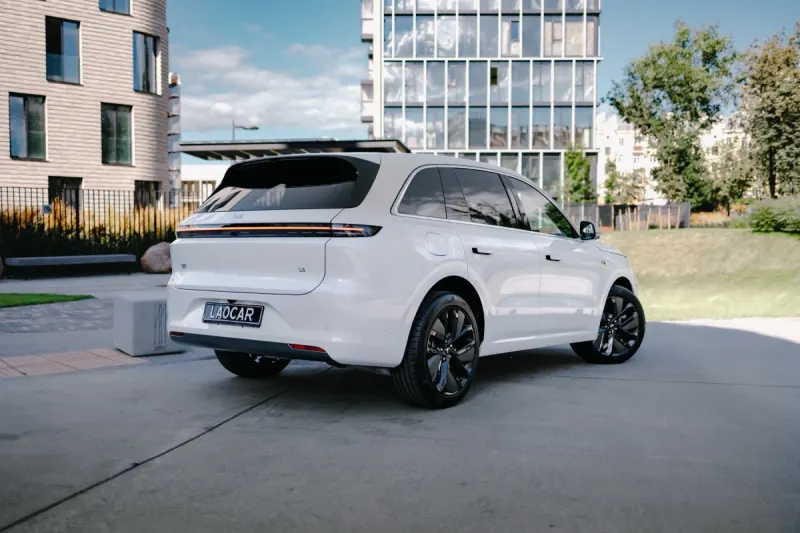
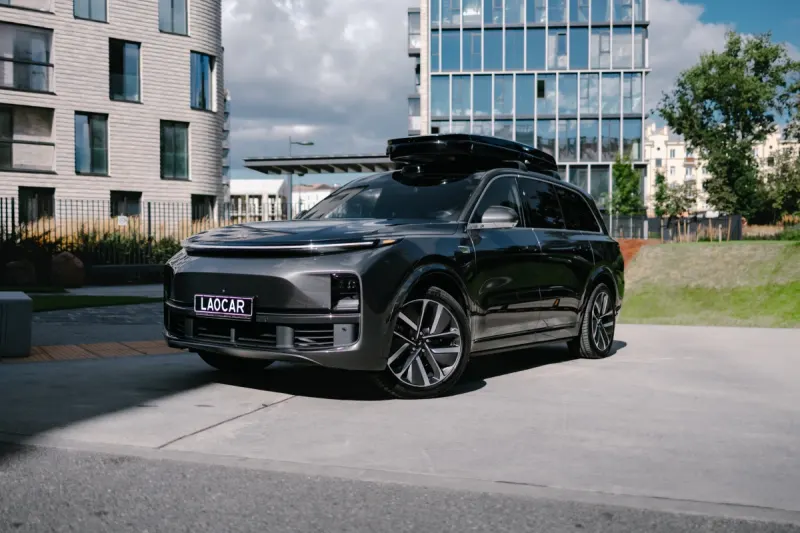
All three vehicles are represented in the LaoCar fleet. Therefore, comparing the Li L7 Max and Li L7 Ultra here is not an abstract debate based on tables from a Chinese configurator. Each version can be rented in Minsk, driven along the same route, and evaluated personally to determine how much the L7 has changed over several years. According to the LaoCar listings, all three vehicles have all-wheel drive, a 449 hp hybrid system, and acceleration of approximately 5.2–5.3 seconds.
Why it is so easy to get confused by the Li L7 versions
The history of Li Auto L7 trim names is more complicated than it may seem. When the model entered the market in 2023, the range consisted of Air, Pro, and Max versions. Max was the top trim: it came with the advanced Li AD Max system, LiDAR, two NVIDIA Orin-X processors, three large displays, a separate screen for the rear row, and a powerful audio system.
In March 2024, Li Auto updated the L family. At first, the manufacturer once again introduced Air, Pro, and Max versions, but only a few days later it revised the structure: the previous Air, Pro, and Max models equipped with air suspension were renamed Pro, Max, and Ultra respectively, while the Air name was reassigned to the vehicle with conventional springs and CDC dampers. As a result, yesterday's Max effectively became Ultra, while the word Max no longer clearly indicated the top of the model range.
This is where confusion on the used-car market comes from. You can encounter an early Li L7 Max, which really was the flagship version, and a later Max positioned one step below Ultra. Two cars may carry the same name while having different batteries, equipment, and electronic architectures.
In this article, by Li L7 Max we mean the early top-spec version represented in the LaoCar fleet. By Li L7 Ultra 2024, we mean the vehicle after the first major update and revision of the trim structure. By Li L7 Ultra 2026, we mean the newest L7 in the fleet, representing the model's second major update.
On the Chinese market, the latest L-series update cycle was introduced in May 2025. In export markets and vehicle listings, such cars may be referred to as 2025 Model Year, Intelligent Refresh Edition, or 2026. We use the designation L7 Ultra 2026, as specified in the LaoCar listing.
Quick comparison of the Li L7 Max, Ultra 2024, and Ultra 2026
The original L7 Max had a 42.8 kWh battery, a claimed electric range of up to 210 km under CLTC, and the Li AD Max system with two Orin-X processors delivering a combined 508 TOPS. After the update, the top version received a 52.3 kWh battery and up to 286 km of CLTC electric range. The second update retained the powertrain and battery but introduced dual-chamber air suspension, a new all-weather LiDAR, and the Thor-U processor.
The numbers create the impression of a simple hierarchy: the newer the vehicle, the better it is. In reality, the differences are distributed unevenly. Between Max and Ultra 2024, everyday usability changes more significantly. Between Ultra 2024 and Ultra 2026, the changes are more noticeable in the way the vehicle behaves on the road. In terms of design, power, and basic architecture, however, all three L7 versions remain very close.
What the Li Auto L7 actually is
Before discussing the trim levels, it is important to understand the philosophy behind the model itself. The Li L7 was not created as a smaller sporty crossover or as a budget version of the L9. It is a separate five-seat vehicle measuring 5050 mm in length, 1995 mm in width, and with a 3005 mm wheelbase.
The format is fundamentally different from seven-seat SUVs. There is no third row that remains folded most of the time while taking away space from passengers and luggage. The entire volume of the large body is distributed among five seats. This results in an enormous second row, an almost flat floor, adjustable backrests, and a right rear seat that can be transformed into something resembling a relaxation chair.
From the beginning, Li Auto described the L7 as a «five-seat flagship family SUV». This is not just a marketing phrase. Many aspects of the vehicle are genuinely designed around the family rather than the driver: soft settings, smooth responses, a quiet cabin, multimedia features, numerous storage compartments, a double-bed mode, and the ability to use the vehicle as an external power source.
The powertrain was also chosen with versatility in mind. The wheels are driven by two electric motors, so the L7 starts moving and accelerates like an electric vehicle: without gear changes, delays, or vibrations. The 1.5-liter turbocharged gasoline engine acts as a generator. It produces electricity when the traction battery's charge level drops.
This is why the Li L7 is often referred to both as a hybrid and as an electric vehicle with a range extender. Technically, the more accurate designation is EREV or REEV: range-extended electric vehicle. The driver gets the driving character of an EV without being tied exclusively to charging stations.
All three versions compared here produce 330 kW, or 449 hp, and 620 Nm. Therefore, moving from Max to Ultra or from Ultra 2024 to Ultra 2026 does not bring additional power. The newer vehicle does not accelerate fundamentally faster than the older one. The difference appears in how often the generator starts, how composed the body feels, and how much future development potential the electronics have.
Li L7 Max: the car that started it all
The first L7 Max was not a compromise middle trim but the genuine top version of the range. At the time of its launch, it demonstrated exactly what Li Auto understood modern family premium to mean.
The interior featured three 15.7-inch displays with 3K resolution: the central screen, the passenger display, and a ceiling-mounted screen for the second row. The audio system included 21 speakers, an amplifier rated at up to 1920 W, and a 7.3.4 surround-sound configuration. The SS Max multimedia platform ran on two automotive Qualcomm Snapdragon 8155 processors.
Today, two 8155 chips no longer sound like a technological sensation, yet the interface of the early Max still feels modern. The main advantage of the L7 is not record-breaking application launch speed but how naturally the screens are integrated into everyday travel scenarios. The passenger can watch a movie independently of the driver, children get their own ceiling-mounted display, and the large central screen means navigation and climate control do not have to become a collection of tiny buttons.
The early Li L7 Max also received Li AD Max. The system used two NVIDIA Orin-X processors with a combined performance of 508 TOPS, along with LiDAR, cameras, and radar sensors. For 2023, this was a very serious hardware platform designed not only for adaptive cruise control but also for continued feature development through software updates.
It was the Max that first brought together the main elements of the Li Auto formula: a large and soft cabin, powerful electric all-wheel drive, air suspension, a rear-seat cinema, and advanced electronics.
How the early L7 Max behaves on the road
Acceleration to 100 km/h in approximately 5.3 seconds sounds almost like a sports-car specification. But the L7 Max does not try to behave like one. The accelerator pedal is tuned progressively, acceleration builds smoothly, and the electronics try to prevent passengers from constantly nodding their heads.
Even under intense acceleration, the vehicle feels more like it is rapidly moving the entire cabin forward than attacking the driver with a punch in the back. This is an important distinction. The L7 has enough power for safe overtaking and quick lane changes, but all of that performance is filtered through its family-oriented philosophy.
The same applies to the steering and suspension. Early L7s were frequently discussed specifically because of their excessive softness. Owner reviews mention noticeable body roll, relaxed responses, and a lack of feedback. Some consider this a disadvantage, while others see it as the car's greatest strength. One owner who described a full year of L7 ownership highlighted its high level of comfort and quietness while also warning that the soft suspension, significant body roll, and vague connection with the road would not suit drivers expecting sporty handling.
This is where the main debate surrounding Li Auto begins. For someone coming from a BMW X5, the L7 Max may seem too relaxed. For a passenger accustomed to stiff European crossovers on large wheels, the very same setup may feel like a revelation.
It cannot objectively be declared good or bad. It is simply designed around a specific task: making sure the family gets less tired during a journey.
The main compromise of the early Max — the battery
The original L7 specification used a 42.8 kWh battery. The manufacturer claimed up to 210 km of electric range under the CLTC cycle, up to 1315 km of combined CLTC range, and 1100 km under the stricter WLTC cycle.
For everyday urban driving, this is sufficient, especially if the vehicle can be charged at home or at work. But the optimistic Chinese test cycle cannot be transferred literally to a Belarusian winter, high-speed motorway driving, and continuous climate-control operation.
The practical significance of battery capacity is not about trying to achieve the advertised 210 km once. It is about how often the generator has to start. The smaller the battery, the sooner the vehicle stops behaving like an almost silent electric car and begins generating electricity using the gasoline engine.
If you rent a Li L7 Max for one or two days and drive mostly around Minsk, the difference may remain almost unnoticeable. On a longer journey, especially without intermediate charging, the later Ultra has a tangible advantage.
Li L7 Ultra 2024: the first facelift and the model's maturation
The appearance of the word Ultra looked like a marketing attempt to add another step above Max. In reality, the story is more complicated. After the naming changes in March 2024, Ultra took the place of the previous top trim.
But the update was not limited to renaming. Li Auto upgraded the battery, multimedia platform, comfort features, and individual interior elements. As a result, the L7 Ultra 2024 was not a new generation but a noticeably refined version of the original vehicle.
The 52.3 kWh battery changes the car more than it may seem
Capacity increased from 42.8 to 52.3 kWh — by approximately 22%. At the same time, the claimed electric range increased from 210 to 286 km under CLTC, while total range rose to 1421 km. Under the WLTC cycle, the electric range of the top version is approximately 240 km.
In real-world use, the additional capacity matters more than the impressive 1421 km figure. The larger battery allows the vehicle to travel longer without starting the generator, reduces the need for frequent charging, and makes the use of heating or air conditioning less of a concern.
This is particularly noticeable in a «city plus suburbs» scenario. In the early Max, the driver may arrive home with the generator already running. The Ultra may be able to complete the same route entirely in electric mode. As a result, not only fuel consumption changes, but also the overall impression of the car: less noise, fewer vibrations, and more of the feeling of driving a large electric vehicle.
On a long-distance trip, the difference becomes less dramatic. Once the battery is depleted and both vehicles are using the generator, the fundamental benefits of the EREV layout remain the same. You can refuel in a few minutes and continue the journey without planning your entire day around charging infrastructure.
The new processor is more noticeable to the owner than to the passenger
The Ultra's multimedia system moved from two Snapdragon 8155 chips to the more modern Snapdragon 8295P in a high-performance configuration. Li Auto claimed up to 60 TOPS of computing performance for the interior version equipped with the rear display. At the same time, the vehicle received updated microphones, an RGB+IR camera for passenger interaction, and more advanced voice-assistant capabilities.
The difference is visible in startup speed, animation smoothness, and the hardware reserve available for future software features. However, you should not expect the move from Max to Ultra to completely transform the user interface. The cabin architecture and the overall control logic remain familiar.
This is characteristic of Li Auto. The company updates its vehicles somewhat like smartphones: the body and basic layout remain the same, while a new computing platform, additional sensors, and more sophisticated software appear inside.
Refrigerator, massage, and details that matter every day
In 2024, the L7 received a refrigerator with cooling and heating functions, an improved audio system, ten-point massage for the four main seats, more powerful wireless chargers, and redesigned interior storage. The top version retained the separate ceiling-mounted display and 21-inch wheels.
On paper, the refrigerator may look like a less important upgrade than several dozen extra kilometers of electric range. In real use, the opposite is true: passengers notice it immediately.
Li Auto generally understands very well the difference between a specification people discuss online and a feature they actually use every day. Most people rarely need to know the computing performance of a processor, but the ability to place a cold bottle of water in the built-in refrigerator requires no explanation.
The same principle applies to massage, ventilation for the rear seats, and the ceiling-mounted display. These features do not make the vehicle faster, but they are exactly what creates the impression that the L7 was designed around its passengers rather than around a promotional photograph of the driver's seat.
Did the Ultra 2024 become better to drive?
Not as much as the new name might suggest.
The powertrain remained unchanged: the same 449 hp, 620 Nm, and electric all-wheel drive. After the first facelift, the L7's suspension remained the single-chamber Li Magic Carpet Pro air suspension system. In 2024, the dual-chamber Magic Carpet Max system was primarily intended for the L9; the L7 received it only during the next update cycle.
Therefore, Max and Ultra 2024 feel similar in corners, under braking, and over long road undulations. The calibration may have become more precise, but the fundamentally soft character remained.
The main difference introduced by the first facelift is felt not through the steering wheel but in everyday life: a larger battery, a faster cabin computer, a refrigerator, improved massage, and a more mature equipment package.
Li L7 Ultra 2026: the second facelift without a revolution in appearance
The new L7 Ultra 2026 is easy to underestimate. Visually, it barely tries to prove that it is newer. The body proportions, cabin shape, dual-screen dashboard, and overall architecture remain almost unchanged.
But this is precisely where Li Auto finally addressed two of the biggest criticisms of the early L7: its excessively relaxed suspension and the rapidly evolving hardware platform of its driver assistance systems.
For this reason, the second facelift is better described as an engineering update rather than a design update.
Dual-chamber air suspension: the biggest change in the new L7
The L7 Ultra 2026 received Li Magic Carpet dual-chamber air suspension. Unlike the single-chamber system, it can change the effective stiffness of the air spring more significantly depending on the selected mode and road conditions.
During relaxed driving, the vehicle retains the softness for which people choose the L7. Over uneven surfaces, the suspension tries to isolate the cabin from sharp impacts. But during acceleration, braking, or cornering, the system can provide more pronounced body support.
Li Auto directly describes the transition of the L7 and L8 to dual-chamber suspension as one of the key improvements in the new family, emphasizing increased stability and more sporting behavior.
The word «sporting» should be understood relative to the early L7. The new Ultra does not turn into a Porsche Cayenne and does not suddenly begin communicating with the driver in the language of BMW M. It remains a heavy five-seat family crossover.
But the body responds with less delay to steering input, behaves more calmly during quick lane changes, and controls longitudinal movement better. The passenger does not experience greater stiffness but rather a reduction in unnecessary body motion.
This is probably the most valuable improvement in the new vehicle. Additional computing power may reveal its benefits through future updates, whereas the difference in suspension can be felt on the very first day.
NVIDIA Thor-U instead of two Orin-X processors
The early Max and Ultra 2024 used two NVIDIA Orin-X processors with a combined performance of 508 TOPS. The newer L7 Max and Ultra switched to a single NVIDIA Thor-U processor with approximately 700 TOPS of performance. The increase is around 38%, but the significance of the update cannot be reduced to one number.
Thor-U belongs to a newer architecture and is designed for complex models that work not only with individual objects, lane markings, and predefined scenarios but also with a more holistic understanding of the traffic environment.
At the same time, the new L7 received a compact all-weather Hesai ATL LiDAR. According to Li Auto, it is approximately 60% smaller than the previous unit and can detect objects at distances of up to 200 meters.
However, it would be wrong to declare the older vehicles obsolete. Li Auto has developed its VLA model for both Orin-X-based vehicles and Thor-U-based vehicles. This means the new platform offers greater future potential but does not create an insurmountable divide between the old and new L7.
What does the new driver assistance system offer in Belarus?
Here it is especially important to distinguish hardware capability from the functions that are actually available.
In China, Li AD Max is closely integrated with mapping data, cloud services, a local account, mobile connectivity, and regional software. The presence of LiDAR and a Thor-U processor by itself does not guarantee that all Chinese urban driving-assistance features will operate in Minsk without restrictions.
Owners of Chinese vehicles in export markets regularly discuss regional limitations, the behavior of built-in SIM cards, language availability, and access to individual online functions. This does not mean the vehicle loses adaptive cruise control, cameras, lane-control systems, or automatic emergency braking. But when choosing between Ultra 2024 and Ultra 2026, the new processor should not be evaluated as though it instantly transforms the car into a fully autonomous taxi.
The practical value of the new platform lies elsewhere: more modern active safety, a new LiDAR unit, additional computing headroom, and a greater likelihood of long-term software support.
Interior comparison: the older car does not look old
Usually, a facelift easily sells itself through the interior. The manufacturer changes the displays, center console, steering wheel, and door design, after which the previous vehicle immediately starts to look outdated.
That has barely happened with the L7. Even the first Max received such a digital and minimalist cabin that several years later it still does not look outdated next to the Ultra 2026.
There is no traditional instrument cluster in front of the driver. The main information is projected onto the head-up display and a small screen on the steering column. The central and passenger displays are combined into one horizontal panel. In the second row, there is an almost flat floor, adjustable backrests, separate climate control, and a great deal of space.
If a passenger were seated in all three vehicles one after another without being told the model year, they might not immediately identify the newest one.
Where the difference is still noticeable
The early Max already had strong features such as a ceiling-mounted display, 21 speakers, and the SS Max multimedia system. Therefore, Ultra 2024 cannot be considered the first «complete» L7. The original Max was already a very richly equipped vehicle from the beginning.
Ultra 2024 benefits from a faster processor, refrigerator, improved massage, upgraded wireless chargers, and greater overall maturity.
Ultra 2026 does not introduce another revolution inside the cabin. Its main advantages are located beneath the body and inside the electronic control units. This is why someone evaluating the vehicle only in a parking lot may decide that paying more for the newer model year makes little sense.
After several hours of driving, however, the priorities change. Passengers begin to notice not the design of the menus but how calmly the body handles braking, lane changes, and long road undulations.
Comparison on city roads
In Minsk, all three versions behave like large but understandable vehicles. The surround-view cameras help the driver manage a width of almost two meters, the electric motors provide smooth movement in traffic, and good sound insulation reduces fatigue.
Li L7 Max in the city
The early Max delivers almost all of the model's basic magic. It is quiet, spacious, fast, and already equipped with a rear display, advanced audio system, and air suspension.
On a short urban route, a person may not understand at all what they would be paying extra for in a newer version. When the battery is charged, the gasoline generator does not intervene, the interface remains fast enough, and the soft suspension suits relaxed city driving well.
The weaknesses become more noticeable during quick lane changes and on undulating surfaces. The body may make more secondary movements, while the driver may feel less connection with the front wheels.
Li L7 Ultra 2024 in the city
In terms of handling, it remains close to the Max, but it stays in electric mode for longer. For someone without their own charging point, this is not always critical, but with regular access to charging, the larger battery makes everyday use noticeably more pleasant.
The additional cabin features are especially useful in a rental vehicle. The refrigerator, massage functions, and faster interface are easy to appreciate without spending a long time studying technical specifications.
Ultra 2024 can be called the most rational L7: it already eliminates the main everyday limitations of the earlier vehicle while not requiring the customer to pay solely for the newest possible model year.
Li L7 Ultra 2026 in the city
The newer vehicle gains its advantage when the city stops being one smooth straight road. A quick lane change, an interchange exit, sudden braking, or a series of bumps — the dual-chamber suspension tries to stop body movement earlier.
At low speeds, the difference may be small. On more difficult surfaces, the Ultra 2026 feels more composed and more expensive. It feels less like an extremely soft sofa on wheels and more like a properly tuned premium crossover.
Highway comparison
On the highway, all three vehicles have the same power. Acceleration from 80 or 100 km/h remains confident, the electric motors do not have to wait for a downshift, and all-wheel drive helps transfer the power consistently.
Therefore, the newer Ultra will not simply pull away from the older Max because of its model year. The main question is not speed but body behavior and available energy reserve.
The early Max will use its battery charge faster and start the generator earlier. Ultra 2024 and Ultra 2026, with their 52.3 kWh batteries, can maintain electric silence for longer. However, at high speeds, real-world range will inevitably be lower than the CLTC figure: aerodynamic drag increases, climate control consumes energy, and winter conditions add the need to heat the battery and cabin.
Once the battery is depleted, all three vehicles continue driving without the anxiety of finding the nearest charging station. This is the main purpose of Li Auto's system. The L7 does not try to be the most economical vehicle when driven constantly using its gasoline generator. Its logic is to complete most everyday routes electrically and use the engine as insurance during long-distance travel.
Which version is less tiring?
For a passenger, quietness, space, and the absence of unnecessary body movement matter. Max and Ultra 2024 can absorb individual bumps more softly, but their bodies may take longer to settle after a road undulation or maneuver.
Ultra 2026 controls the movement of its considerable mass more effectively. On a long journey, this may matter more than one additional entertainment application. A person may not always be able to explain why they felt less tired in one vehicle, but the reason often lies in the number of small accelerations, tilts, and oscillations their body had to compensate for over several hours.
Which is better for a second-row passenger?
In terms of available space, all three vehicles are almost identical. The body, wheelbase, and basic cabin layout have not changed. Therefore, Ultra 2026 does not suddenly offer more legroom than Max.
The early L7 Max already had one of the strongest rear-seat areas in its class. The right-hand rear seat can be adjusted into a more relaxed position, the backrests are adjustable, there is no large transmission tunnel on the floor, and the ceiling-mounted display allows passengers to watch content independently of the front screens.
Ultra 2024 adds a more mature set of everyday features: a refrigerator, improved massage, and a faster multimedia platform.
Ultra 2026 retains these advantages but adds more controlled suspension behavior. This is why it may be preferable for a passenger who spends a lot of time in the rear seat, even though the static seating position is almost identical.
When renting a Li L7 with a driver, the choice between the versions can reasonably be approached this way:
Max already provides a very high level of space and entertainment. Ultra 2024 adds greater electric autonomy and more comfort-oriented details. Ultra 2026 controls body movement better and feels like the most complete version while driving.
Has the new L7 really become closer to the BMW X5 and Mercedes GLE?
Comparisons between the Li L7 and German premium crossovers are inevitable. In terms of length, power, and equipment, it really does compete with the BMW X5, Mercedes-Benz GLE, Audi Q7, and Volvo XC90. But comparing them solely by the number of screens makes little sense.
Li Auto has an advantage in second-row space, software logic, multimedia equipment, and the number of comfort functions included for the money. In the L7, there is no need to build a long options list just to get ventilation, massage, a rear display, panoramic roof, and a high-quality audio system.
German models remain strong in steering precision, high-speed behavior, brake calibration, the tactile feel of certain components, and the overall maturity of their chassis. They create the impression of a car that was developed first and then equipped with technology.
The L7 gives the opposite impression: a mobile living space was designed first, and only afterward did the engineers decide how it should drive.
The dual-chamber suspension of the Ultra 2026 reduces the gap. The new L7 controls its body more confidently and conflicts less with an active driving style. But it does not change the philosophy. Even after the second facelift, it remains a family crossover rather than a sports car that happens to have a spacious interior.
Five major debates about the Li L7 Max and Ultra
Debate #1: Ultra is nothing more than a new badge
This belief appeared partly because the trim levels really were renamed. In 2024, Li Auto actually shifted the names across the range, and the previous top Max version became known as Ultra.
But the differences cannot be reduced to the badge alone. Ultra 2024 received a 52.3 kWh battery, a more modern multimedia platform, a refrigerator, improved massage functions, and other refinements. Ultra 2026 added dual-chamber suspension and the new Li AD Max platform.
Verdict: the names really do create confusion, but the technical differences are real.
Debate #2: L7 Ultra 2026 is a completely new generation
No. The body, dimensions, basic cabin layout, and powertrain remain the same. It is a major update of the existing model rather than a completely new generation based on a different platform.
Verdict: a second facelift, not a completely new L7 developed from scratch.
Debate #3: after the arrival of Thor-U, the old Orin-X no longer makes sense
Two Orin-X processors still provide substantial computing resources. Li Auto has introduced new intelligent features for both Orin-X and Thor-U platforms. The new processor is faster and more future-oriented, but that does not suddenly turn the older vehicle into an ordinary crossover without assistance systems.
Verdict: Thor-U matters as future headroom, but it does not erase the strengths of the early Max and Ultra 2024.
Debate #4: the 52.3 kWh battery completely eliminates the need for gasoline
Only with a suitable route and regular charging. If the vehicle covers less than its electric range every day and is plugged in regularly, the generator can indeed remain inactive most of the time.
But if the vehicle is constantly driven over long distances without being charged, the L7 will use gasoline regardless of the version.
Verdict: the larger battery reduces how often the generator starts, but does not eliminate it.
Debate #5: the Li L7 is better than German premium SUVs in every respect
It can be more comfortable, quieter in the city, more spacious in the rear, and more richly equipped. But German vehicles often offer more precise handling, more convincing braking, and more natural behavior at high speeds.
Verdict: the L7 does not copy German premium vehicles; it offers a different set of priorities.
Which version should you choose for rental in Minsk?
Li L7 Max — to experience the original idea behind the model
Renting a Li L7 Max is suitable for someone who values space, electric smoothness, power, and an unusual digital interior. Even the early Max is so richly equipped that it does not feel basic or outdated.
It is a logical choice for city driving, a weekend trip, an introduction to the brand, or testing a Li L7 before purchasing one. Over a short rental period, the difference compared with later versions may turn out to be smaller than expected.
It is also an interesting option for someone who wants to understand why the L7 became popular in the first place. The Max already contains the complete original formula: a soft ride, enormous second row, 449 hp, all-wheel drive, and a home-like multimedia environment.
Li L7 Ultra 2024 — the most rational balance
Ultra 2024 is better suited to routes where the larger battery matters. It operates as an electric vehicle for longer, starts the generator less frequently, and offers a more mature set of interior features.
It is a sensible option for a family trip, a multi-day journey, a rental with second-row passengers, or an extended test before purchasing the vehicle.
Ultra 2024 does not provide radically different handling compared with Max, but it eliminates a significant part of its everyday compromises. This is why, for many customers, it may be the most logical choice of the three.
Li L7 Ultra 2026 — the ultimate version without reservations
The new L7 Ultra 2026 is worth choosing for three things: a newer vehicle, dual-chamber suspension, and the most modern driver-assistance hardware platform.
It will suit someone considering the purchase of the latest facelift, someone who wants the most composed L7, or someone who simply prefers the newest top-spec version.
Visually, it does not try to impress the owner of the previous Ultra. Its advantage reveals itself gradually: fewer unnecessary body movements, more confident behavior during maneuvers, and greater potential for future electronic development.
How to compare the three L7 versions properly
A fifteen-minute drive around a parking lot is not enough. On a smooth road with a charged battery, Max and Ultra may feel almost identical.
A fair comparison requires a route that includes city streets, an interchange, a section with undulating asphalt, several active lane changes, and a country road. It is also important to experience the vehicle not only from the driver's seat but also from the right rear seat.
Attention should be paid not to which screen opens a menu half a second faster, but to more fundamental things:
- how quickly the body settles after a bump;
- how noticeably the vehicle pitches under braking;
- how long electric mode is maintained;
- whether the generator can be heard;
- how convenient it is to use the refrigerator and rear display;
- how comfortable the passenger feels after an hour of continuous driving;
- which driver assistance functions are actually available in the region.
A rare feature of the LaoCar fleet is that all three stages in the L7's development are available from the same company. You can rent a Li L7 Max, then compare it with the Ultra 2024, or go straight to the new L7 Ultra 2026. This is far more informative than trying to form an opinion from other people's reviews of vehicles in different trim levels and on different roads.
Frequently asked questions about the Li L7 Max, Ultra, and Ultra 2026
What is the difference between the Li L7 Max and Li L7 Ultra?
The early Li L7 Max was the top trim of the original lineup. The L7 Ultra appeared after the update and renaming of the trim levels. Ultra received a larger 52.3 kWh battery, an updated multimedia platform, a refrigerator, improved massage functions, and other changes.
The model year should always be considered: after the restructuring of the range, the Max name also began to be used for a middle trim level.
What is the difference between the Li L7 Ultra 2024 and the L7 Ultra 2026?
The main differences are found in the suspension and driver assistance system. The L7 Ultra 2026 received dual-chamber air suspension, a new all-weather LiDAR, and an NVIDIA Thor-U processor with approximately 700 TOPS of performance.
The power output, body dimensions, and battery capacity of the top version remained practically unchanged.
Which Li L7 version is the most powerful?
All three vehicles produce 449 hp and 620 Nm. The newer Ultra is not more powerful than the early Max. Acceleration to 100 km/h takes approximately 5.2–5.3 seconds depending on the measurement method and specification.
Which Li L7 has the largest battery?
The Li L7 Ultra 2024 and Li L7 Ultra 2026 are equipped with 52.3 kWh batteries. The early factory version of the L7 Max used a 42.8 kWh battery.
Because the trim levels were renamed in 2024, Max vehicles with different battery specifications can also be found on the market, so the specification of a particular car should be checked by trim level and VIN before purchase.
Is the Li L7 an electric vehicle or a hybrid?
It is an electric vehicle with a gasoline range extender, also known as an EREV or series hybrid. The wheels are driven by electric motors, while the 1.5-liter gasoline engine is used to generate electricity.
Which Li L7 version is the most comfortable?
In terms of static comfort and available space, all versions are very similar. The early Max already offers a large second row and rich equipment. Ultra 2024 adds a refrigerator, improved massage, and a larger battery. Ultra 2026 controls body movement and roll better thanks to its dual-chamber suspension.
For long-distance travel, the most complete option is the L7 Ultra 2026.
Is it worth paying extra for the Li L7 Ultra 2026?
Yes, if the newest possible vehicle, a more composed chassis, and the new Li AD Max hardware platform are important. For mainly urban driving at a relaxed pace, the early Max or Ultra 2024 may provide almost the same level of space, power, and digital comfort.
Conclusion: three almost identical L7s that feel different
The LiXiang L7 Max is the original formula of the model. It is already fast, quiet, spacious, and extremely well equipped. This was the vehicle that proved a premium family crossover could be designed not around brand status and sporty handling but around genuine passenger comfort.
The LiXiang L7 Ultra 2024 is the more mature version of the original idea. The larger battery allows it to remain in electric mode for longer, the newer processor makes the multimedia system faster, while the refrigerator and improved massage transform the marketing concept of a «mobile home» into a set of genuinely useful functions.
The LiXiang L7 Ultra 2026 is an attempt to improve things that cannot be fixed by adding another screen. The dual-chamber air suspension makes the vehicle more composed, Thor-U provides headroom for further development of the assistance systems, and the new LiDAR strengthens the hardware foundation of active safety.
Which Li L7 is better? For a short city rental, the early Max may turn out to be the most sensible option. For travel and regular electric driving, Ultra 2024 offers a strong balance. For experiencing the most advanced version of the model, the obvious choice is the L7 Ultra 2026.
The most interesting thing is that none of them makes the previous vehicle meaningless. Li Auto did not change the character of the L7 but gradually refined it. First, the company created a large digital living room on wheels. Then it increased electric autonomy and improved everyday comfort. After that, it turned its attention to the chassis and computing platform.
This is why the comparison between the Li L7 Max and Ultra cannot be reduced to a simple question of «old or new». The correct question is different: what matters more to you — the original L7 concept, a larger battery, or the most mature road behavior?
Renting a LiXiang L7 in Minsk allows you to find the answer without purchasing the vehicle. All three versions are represented in the LaoCar fleet and are available for self-drive rental or rental with a driver upon prior request.
Rental FAQ
Answers to common LaoCar rental questions
FAQTest Our Cars in Person:
Lixiang L7 Ultra 2026
840 BYN /day
Lixiang L9 Ultra Black
840 BYN /day
Lixiang L6 Max
560 BYN /day
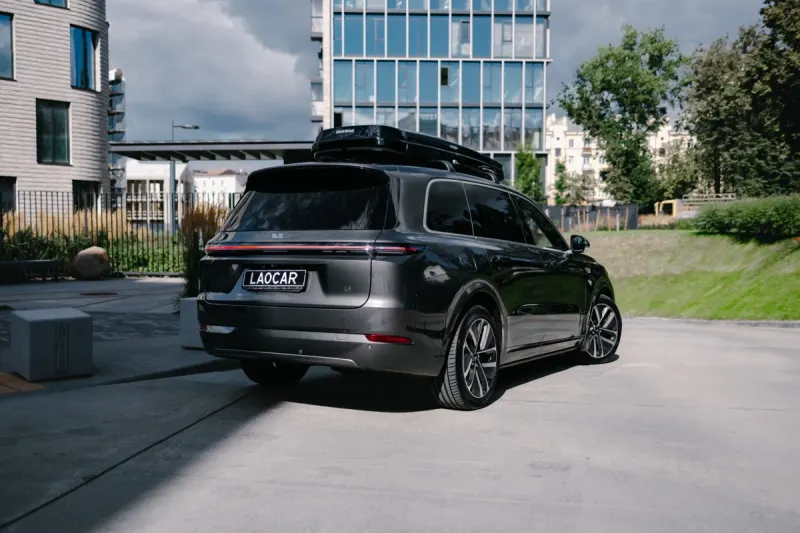
Lixiang L9 Ultra
840 BYN /day
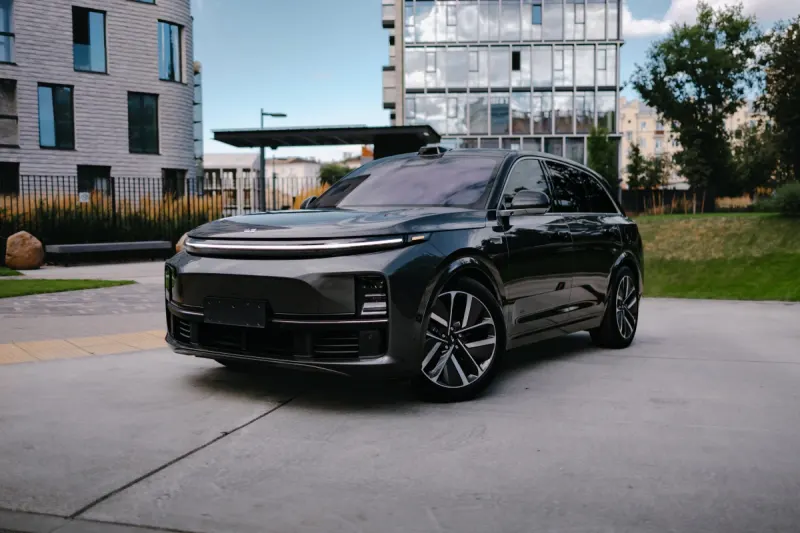
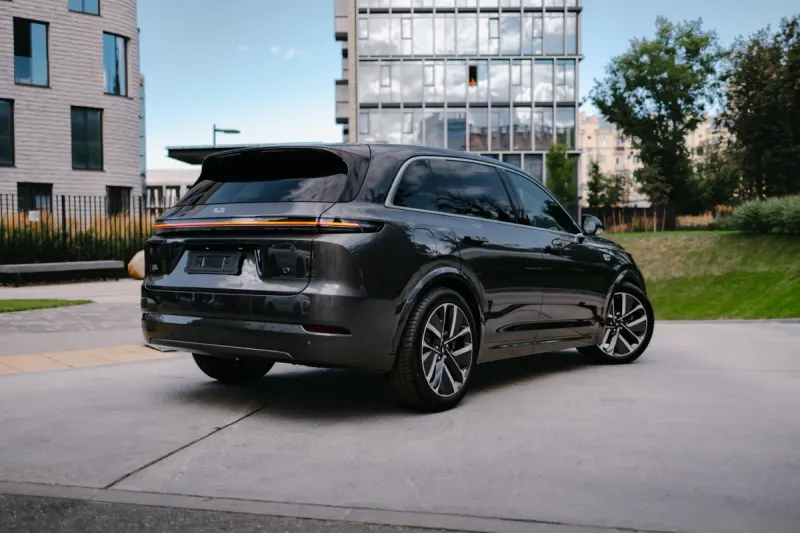
Lixiang L7 Ultra
840 BYN /day
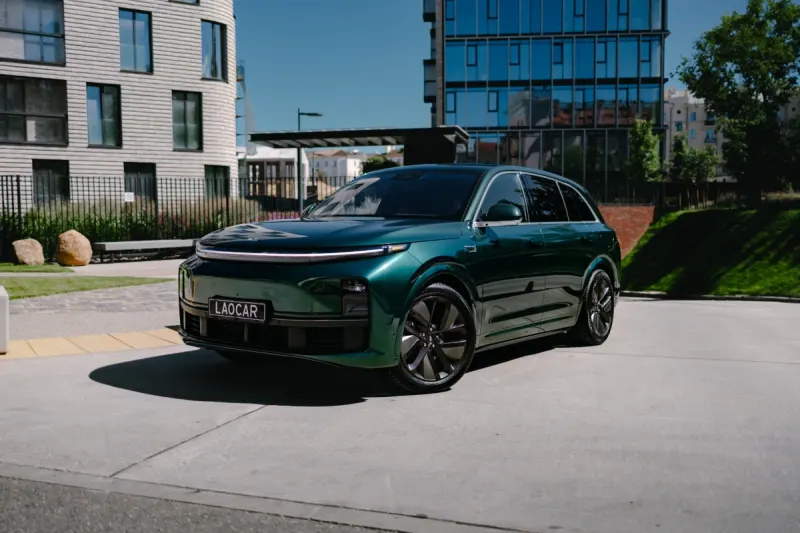
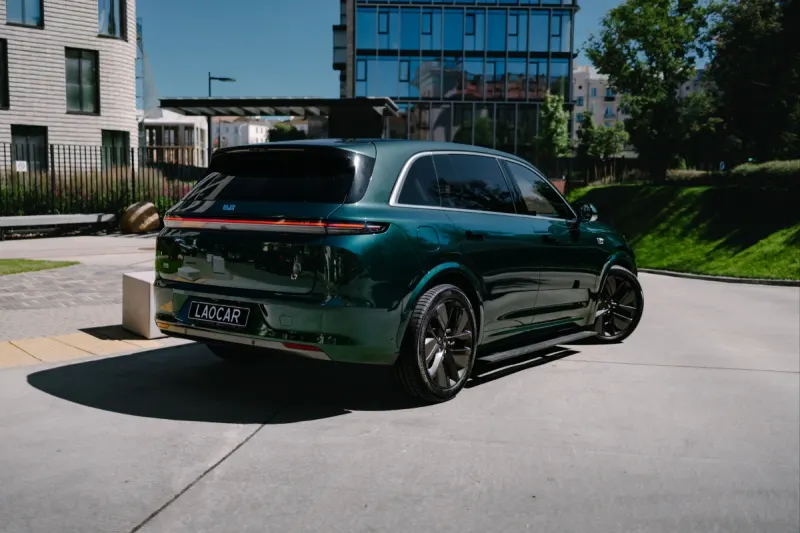
Lixiang L7
840 BYN /day
You May Also Like:
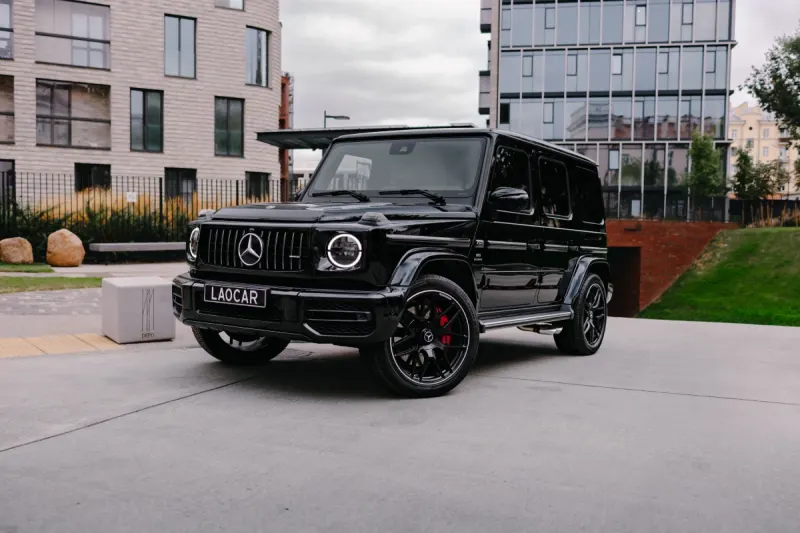
Why the Mercedes-AMG G63 is still beyond competition: the phenomenon of the “G-Wagon” that no one has been able to repeat
There are cars that are bought out of calculation. There are cars that are chosen for comfort. There are those that are taken because they are...
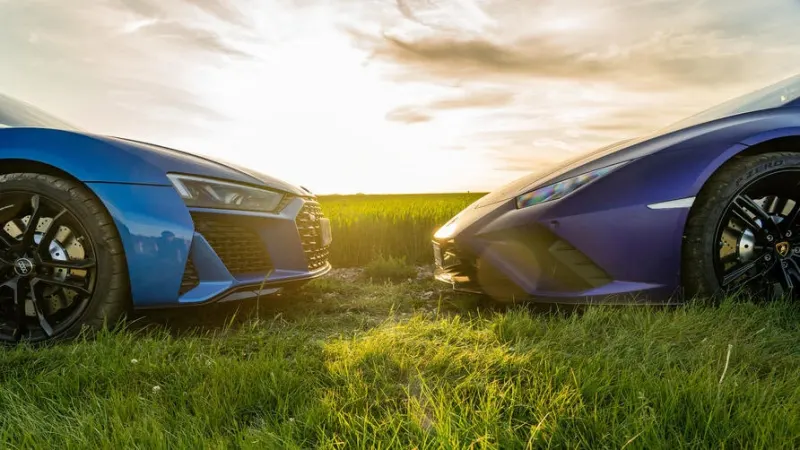
Lamborghini Huracán or Audi R8 V10: Which One to Choose for Rental in Minsk?
When it comes to real supercars, the choice is rarely simple. Especially when you are looking at two cars that are essentially built on the same...
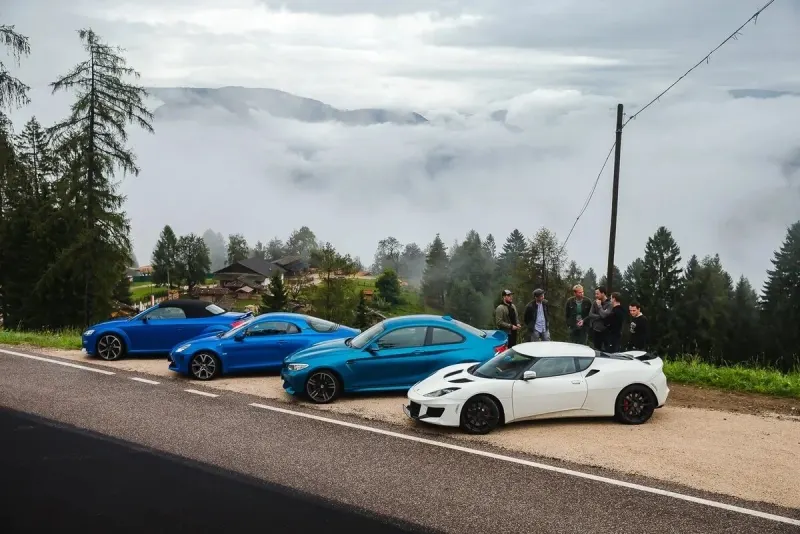
Premium Travel Across Belarus: The Best Destinations for a Rental Car from Minsk
Traveling by car is always about freedom. But when it comes to a premium vehicle, freedom turns into style. It is no longer just a road — it is a...